

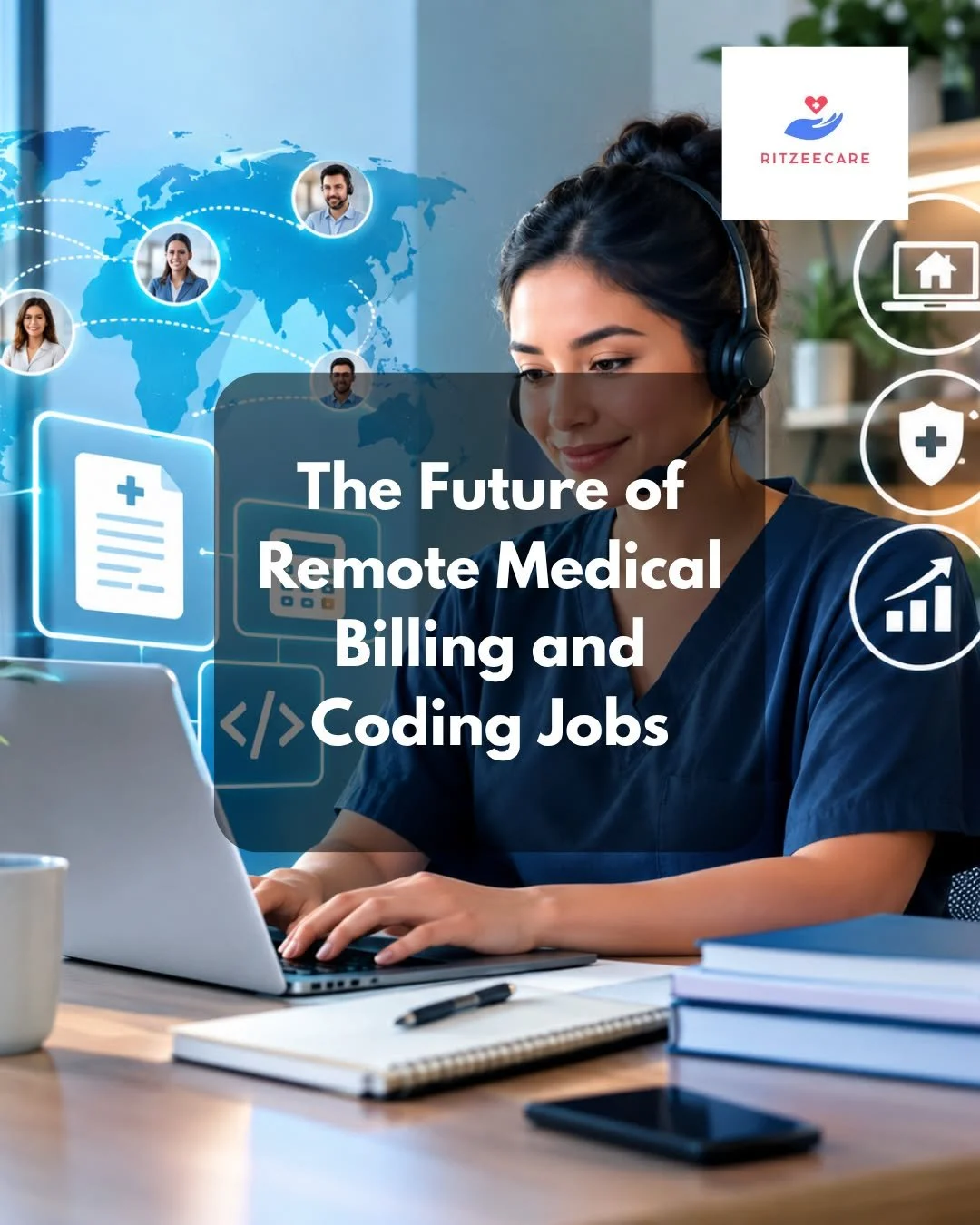
Remote work has changed many industries, and healthcare administration is no exception. Medical billing and coding roles are becoming increasingly well suited for remote environments as healthcare organizations adopt digital records, cloud-based systems, and more flexible ways of managing their revenue cycles.
For billing and coding professionals, this shift creates opportunities beyond geographic boundaries. Healthcare organizations and revenue cycle management companies can recruit experienced professionals regardless of where they are located, while qualified specialists can pursue opportunities that may not exist in their local markets.
Why Remote Billing and Coding Is Here to Stay
Many responsibilities involved in medical billing and coding can be performed securely from a remote setting. Professionals may review medical documentation, assign appropriate codes, prepare and submit claims, verify insurance information, investigate denials, and support reimbursement.
For healthcare organizations, remote staffing can also provide greater flexibility. It can expand access to experienced talent while helping practices manage administrative workloads and maintain a more efficient revenue cycle.
But remote work is only one part of the change happening in this field.
AI Will Change the Work, Not Simply Replace It
Artificial intelligence and automation are becoming more common throughout healthcare billing. These tools can help identify possible coding errors, flag missing information, automate repetitive steps, and make claims processing more efficient.
That does not eliminate the value of human expertise.
Medical documentation is not always straightforward. Payer requirements can vary, unusual cases require judgment, and compliance cannot be treated as an afterthought. When a claim is denied or documentation raises questions, experienced professionals still provide the context and critical thinking that automated systems may not fully capture.
The more realistic future is one where people and technology work together.
The Skills That May Matter Most
As routine tasks become increasingly automated, remote billing and coding professionals may find greater value in strengthening skills that require judgment and deeper understanding. Knowledge of current coding guidelines, payer requirements, compliance, data security, denial management, and AI-assisted billing tools can help professionals stay relevant as the industry evolves.
Communication will matter too. Working remotely requires professionals who can manage responsibilities independently while communicating clearly with providers, payers, and colleagues when questions or problems arise.
Looking Ahead
The future of remote medical billing and coding is not simply about moving traditional office jobs into the home. It is about how healthcare organizations rethink administrative work altogether.
Professionals who can combine healthcare knowledge, accuracy, critical thinking, adaptability, and comfort with emerging technology will be well positioned for that future.
Technology may handle more of the repetitive work, but people will continue to play an important role in making sure claims are accurate, problems are resolved, and healthcare organizations receive the reimbursement they have earned.
For providers, the bigger question is becoming less about whether billing can be managed remotely and more about how to build a revenue cycle that is accurate, efficient, and ready for what comes next.
Want to strengthen collections, address unresolved denials, and gain clearer visibility into your revenue cycle?
RitzeeCare helps healthcare practices pursue outstanding insurance balances and manage eligible claim denials through organized payer follow-up, accurate documentation, and transparent reporting.
